
Ferrous vs. Non-Ferrous Metals: A Miami Recycler's Quick-Reference Guide to Metal Recycling in Miami, FL
Understanding the difference between ferrous and non-ferrous metals is the first step toward smarter metal recycling in Miami, FL. Whether you are a homeowner clearing out old pipes or a contractor wrapping up a Miami-Dade construction project, knowing which metals you have helps you sort them correctly, haul them efficiently, and get the most value from your scrap.
What Is the Difference Between Ferrous and Non-Ferrous Metals?
Ferrous metals contain iron; non-ferrous metals do not. Ferrous metals are magnetic, heavier, and more prone to rust. Non-ferrous metals resist corrosion, often carry higher scrap value, and include many materials pulled from South Florida's construction sites and aging HVAC systems.
A simple magnet test can usually tell you which category you are dealing with. If the magnet sticks, the metal is ferrous. If it does not, you likely have a non-ferrous material worth sorting separately before your next metal recycling in Miami, FL drop-off.
Which Metals Fall Into Each Category?
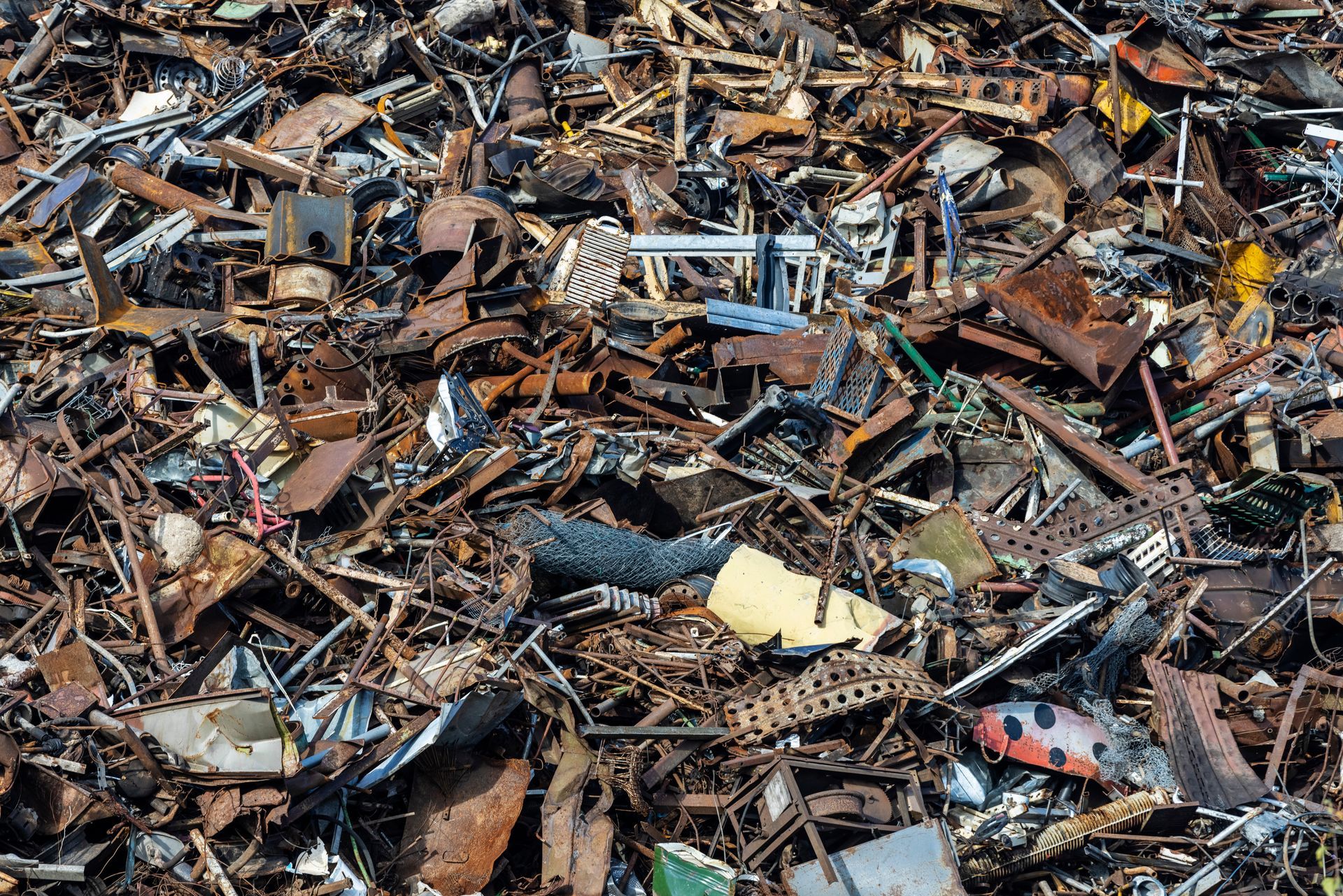
Ferrous metals include steel, cast iron, and wrought iron. Steel shows up constantly in Miami-Dade in the form of structural beams, rebar, and appliances. Cast iron comes from old pipes, cookware, and engine blocks, while wrought iron is common in fencing, gates, and decorative railings. Rebar and structural steel are especially prevalent given the ongoing construction along Brickell, Wynwood, and the Design District, which regularly generates large volumes of ferrous scrap. You can see the full list of accepted materials to confirm what the yard takes before you haul a load in.
Non-ferrous metals cover a wider range and generally carry higher scrap value. Copper is found in plumbing pipes, electrical wiring, and AC units. Aluminum turns up in window frames, gutters, AC coils, and cans. Brass comes from plumbing fittings, valves, and fixtures, while stainless steel is common in kitchen equipment and marine hardware. Lead can still be found in old pipe joints and roofing flashing. Miami's hot and humid climate means AC systems turn over frequently, making aluminum coils and copper refrigerant lines among the most common non-ferrous materials in the area. Older neighborhoods like Little Havana and Allapattah also yield copper and brass from plumbing upgrades.
How Do I Identify Scrap Metal Before Bringing It In?
Start with the magnet test. Next, look at color: copper is reddish-brown, brass has a yellowish tone, and aluminum is a dull silver-gray. Stainless steel is bright and smooth. If you are still unsure, bring your material to the yard and staff can help identify it. Proper identification before your metal recycling in Miami, FL visit saves time for everyone.
Does It Matter if I Pre-Sort My Ferrous and Non-Ferrous Metals?
Yes. Pre-sorting saves time at drop-off and ensures each material type is processed correctly. Mixing ferrous and non-ferrous loads may slow things down and could affect how your scrap is weighed. Keeping them in separate containers before arrival is a practical habit for anyone using metal recycling in Miami, FL services regularly. Contractors managing ongoing jobsite cleanouts may also want to explore commercial scrap services<https://www.abcsvingabros.com/commercial-scrap-services> to streamline pickups and drop-offs over the course of a project.
Ready to Recycle Your Scrap Metal in Miami?
Whether you have a truckload of rebar from a Doral job site or copper pipes from a Coconut Grove remodel, ABC Svinga Brothers can help. Call
(305) 635-4455 or
contact us online to get started. You can also find and review them on Google at
ABC Svinga Brothers.